The Blood of Dawnwalker Map and Locations Guide: The Vale Explained
A locations guide to the Valley of Sangora in The Blood of Dawnwalker: every named area, how the 30-day world opens up, and where key quests wait.
FAQ
Where does The Blood of Dawnwalker take place?
What are the named regions on the map?
How does fast travel work in The Blood of Dawnwalker?
Does the map change between day and night?
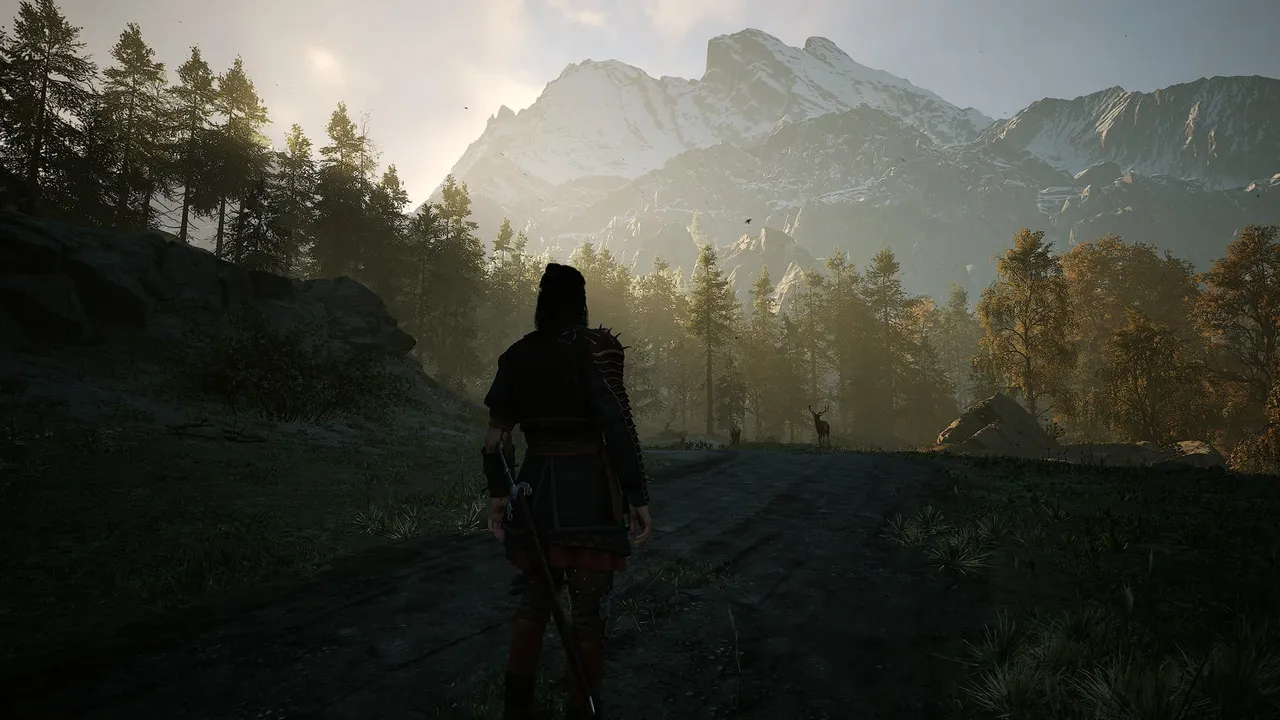
The Blood of Dawnwalker’s map is one hand-crafted valley — the Vale Sangora, a Carpathian pocket sealed off by mountains and ruled by the vampire court — and reading it well is half the game, because movement is the currency the 30-day clock actually counts. This guide walks the named regions, the fast-travel network, and where the map’s key quest lines live, so you can route your month instead of wandering it.
Where Does the Game Take Place?
The Vale Sangora is a single connected open world: a mountain-ringed valley under vampire occupation, watched from Svartrau and Greifberg Castle. Nothing is procedurally generated — community map projects like Metabot.gg chart hundreds of named markers from the game files — and the same valley hosts every run, so map knowledge compounds across a playthrough in a way few open worlds allow. The lore of the vale covers the occupation’s history; this page is about the ground itself.
What Are the Named Regions?
The valley’s major named areas, as charted by fan wikis and the community map projects:
| Region | What it is | What happens there |
|---|---|---|
| Laslea | The home village region where Coen’s family lives | The prologue, early errands, and the story’s emotional anchor |
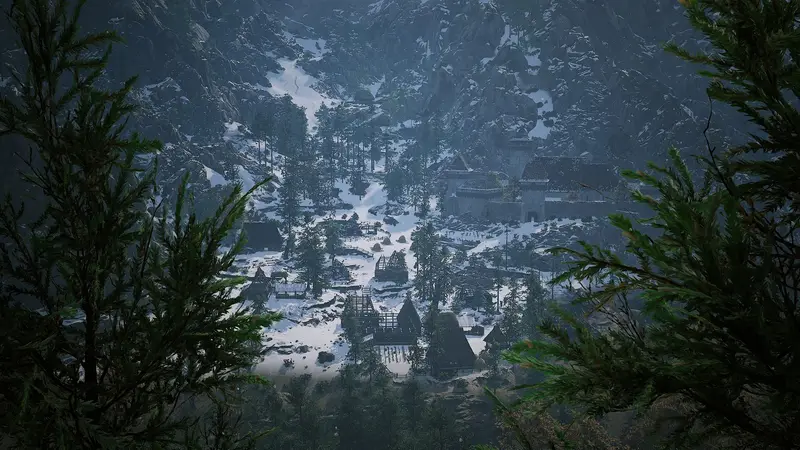
| Svartrau | The walled silver capital and its cathedral | The vampire court’s public face, Xanthe’s seat, and the A Monk and a Saint crypt |
| Greifberg Castle | Brencis’s fortress above the valley | The endgame — every assault route in the endings guide leads here |
| Maragir Wealds | The wooded heartland across the center | Ambrus’s duel, beast caves, and the ancient circles chests |
| Briar Sloughs | The southern wetlands | Poison-swamp exploration and circle sites of its own |
| Shrike’s Crag | The eastern crags | High-ground lookout points and late-game optional content |
Two smaller sites matter enough to name: The Silts, the tower district hiding the Home Sweet Home ending chain, and St. Tyna’s Grove, where the Forge It Anew questline restores the game’s best sword. Community projects disagree about how to slice the valley — game-file charts count more sub-regions than fan wikis name — so treat the table as the shared landmarks, not a canonical border survey.
How Does Fast Travel Work?
Wayside shrines, and they are free. Shrines are the fast-travel network: activate one and it stays linked, giving you instant hops across the valley — crossing on foot burns real-world hours, even though it costs no segments of the 30-day clock. The practical routing rule from the time-system guide: unlock every shrine you pass on story errands, and check whether a plan crosses unlocked shrines before spending days on it. Day-one trips to Svartrau and the Maragir road pay for themselves all month.
Does the Map Change Between Day and Night?
The ground does not; the rules do. The day and night system switches what the same coordinates mean: daytime opens human settlements, merchants, and witchcraft use, while night wakes the vampire court’s easy movement, blood-hunting, and certain visits that only happen after dark. Some map features — the ancient circles among them — interact with the time of day directly. Planning a route for the wrong half of the day is the most common wasted trip in the valley.
How Do You Get Around Faster?
Movement itself never costs the clock — walking is free — so the speed game is about the network, not the legs:
- Unlock shrines aggressively — the free-warp rule above.
- Use night forms for night distance: the Vampirism tree’s Shapeshift is the travel speed boost after dark, per the skill manuals and builds guide.
- Use Mercurial Fervour for day travel — the Witchcraft ability launch guides single out for exploration.
- Route through landmarks, not wilderness — the vale’s roads and shrines cluster around the six regions above, and the quest list prices every errand in days so you can bundle trips by region.
Where Should a New Player Go First?
Follow the story out of Laslea, unlock every shrine on the road, and let the first act’s errands introduce Svartrau and the Maragir road before you spend days on side content. The missables guide flags what the map hides behind time gates, and the all-quests list turns the whole valley into a priced itinerary — the two pages that turn a map into a plan.
Sources
- Region names and landmarks — this site’s quest and character walkthroughs (Laslea, Svartrau, Maragir Wealds, Briar Sloughs, The Silts, St. Tyna’s Grove), cross-checked against community map projects (Metabot.gg, fan wikis).
- Shrine fast travel and clock rules — the 30-day time system page, built from launch-week guides including Rock Paper Shotgun’s and IGN’s coverage.
- Travel abilities — GamesRadar’s build shortlists, as documented on the skill manuals and builds page.
Related Articles
lore
The Plague and the Blood Tax in The Blood of Dawnwalker
How the plague broke the Vale Sangora, how Brencis cured it with vampire blood, and how the blood tax turned a kingdom into a farm — the backstory of Dawnwalker.
guides
All Quests in The Blood of Dawnwalker: Complete List with Rewards
Every quest we can verify in The Blood of Dawnwalker, region by region, with level, day cost, and rewards — plus links to our full walkthroughs.
guides
The Blood of Dawnwalker Endings Guide: All Endings and How to Get Them
Every ending in The Blood of Dawnwalker explained: the four Griefberg Castle assault paths, the Brencis deal, three secret endings, and the 30-day timeout.
Was this helpful?
Thanks for the feedback!